



Before You Migrate BigCommerce to Shopify, Ask These 6 Questions
Have you outgrown Bigcommerce and set your sights on Shopify's extensive app store and user-friendly interface? Perhaps...

The Ultimate Shopify SEO Checklist
The old adage is, "Build it, and they will come." However, when eCommerce store owners have...
Is Shopify One Page Checkout the Future of Online Shopping? Or Are There Issues?
You're constantly working to create an intuitive, simple, pleasant shopping experience for your...
Never Miss a Story
Get the latest updates and insights straight to your inbox
Shopify vs Shopify Plus (Shopify+): Which is Right For Your Business?
When you start an eCommerce business, the first decision you'll have to make is which platform to...
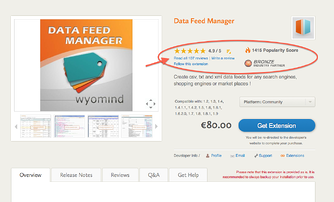
Configuring A Magento Product Feed Using Wyomind's Data Feed Manager
At Groove, we’re big fans of leveraging product data feeds with our eCommerce clients to maximize...

Before You Migrate Shopify To BigCommerce, Ask These Questions
Are you considering a switch from Shopify to BigCommerce for your eCommerce store? You're not...
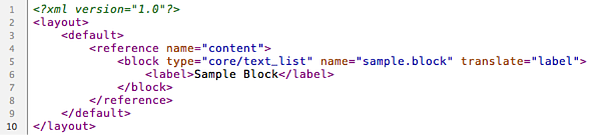
Magento 2 Sitemap XML Tips and Tricks
In Magento, XML is arguably the most powerful tool available to developers. Not only is it used to...
How to Choose an Expert Magento 2 Developer
As the Sales and Marketing Coordinator at Groove Commerce, much of my job revolves around walking...

3 Features to Prepare Your Magento Storefront For The Holiday Season
The holiday season may be the most critical time of year for Magento merchants to immerse...